
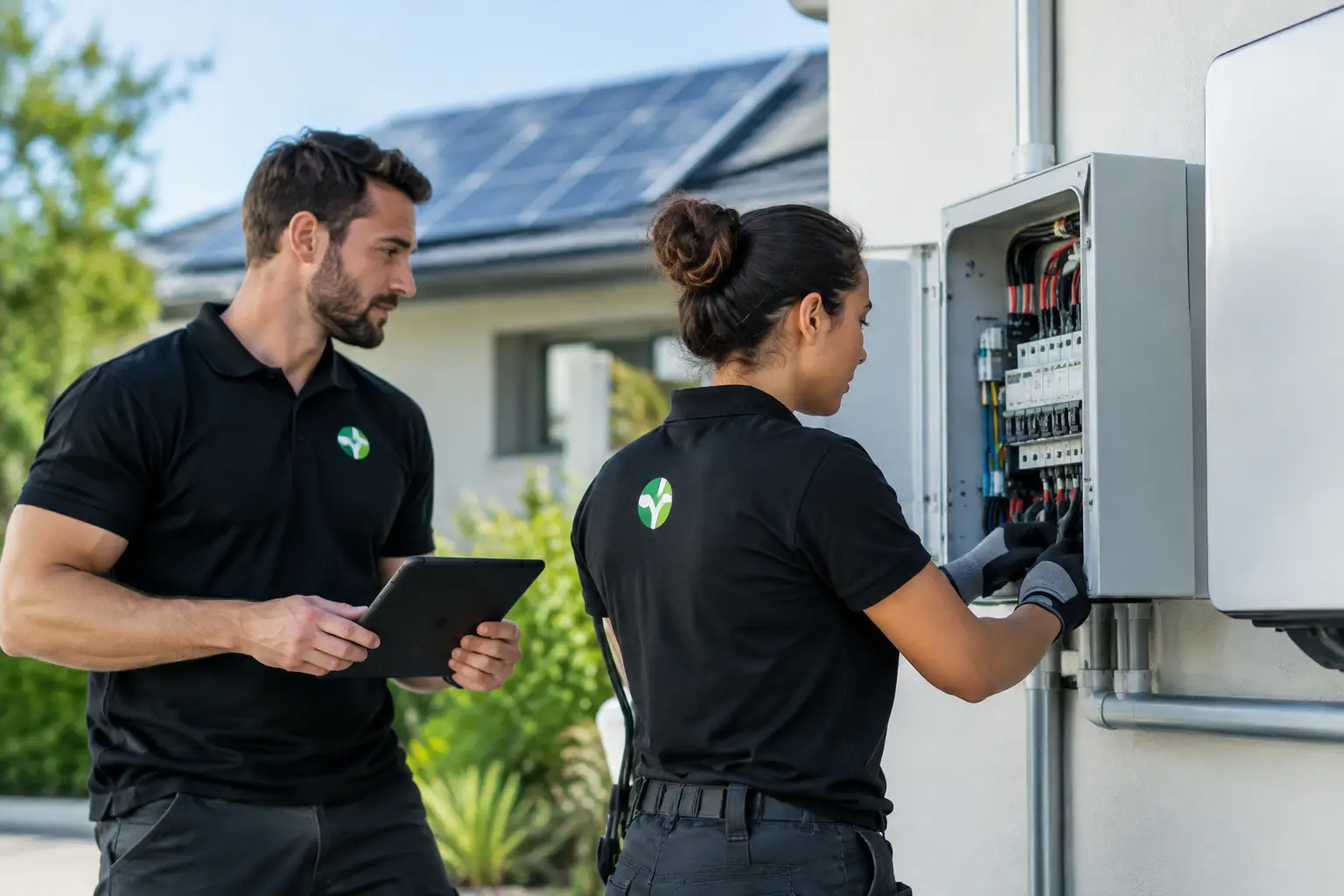
A new electric car charger, solar panels or a heat pump can look like separate improvements. In practice, they all place new demands on the same installation. Home electrification means planning those changes as one connected electrical project, so your property remains safe, compliant and ready for the way you want to use energy.
For homeowners across Bristol, Bath and Newport, the starting point is not usually a particular product. It is the condition and capacity of the existing wiring, consumer unit, earthing and supply. Getting these foundations right can prevent avoidable disruption, protect your investment and make later upgrades far more straightforward.
What does home electrification involve?
Home electrification is the move away from fossil-fuelled equipment and towards electrically powered alternatives. This may include electric vehicle charging, solar PV, battery storage, heat pumps, electric cooking and improved electric heating controls. It can also involve the supporting work that makes these technologies safe to install and use.
The practical electrical work varies from property to property. A modern house with a recent consumer unit may only need dedicated circuits and suitable protective devices. An older home, a renovation project or a property with an outdated fuse board may need a consumer unit upgrade, additional earthing work or a partial or full rewire before substantial new loads are added.
Electrification is not about fitting as much equipment as possible. It is about matching the electrical installation to the property, the household’s likely use and the work planned over the next few years.
Start with the electrical installation, not the appliance
It is tempting to arrange an EV charger, solar system or heat pump first and ask questions about the electrics later. That can create delays if the installation is found to be unsuitable on the day. A qualified electrician should establish what is already in place before recommending the right route forward.
Consumer units and circuit protection
The consumer unit distributes electricity around the property and provides protection if a fault develops. Older fuse boards may not offer the capacity, arrangement or modern safety features needed for new circuits. A replacement consumer unit can provide correctly selected circuit breakers, RCD or RCBO protection, clear labelling and room for planned additions where appropriate.
A consumer unit upgrade is not automatically required whenever you add electrical equipment. However, it is often worth considering when the existing board is old, lacks suitable protection, has no spare ways, shows signs of deterioration or is part of a wider modernisation project. The right answer depends on inspection and testing, rather than a general assumption.
Wiring, earthing and bonding
A dedicated circuit for an EV charger or other fixed equipment is often essential. The cable route needs to be planned properly, whether it runs through a garage, loft, external wall or landscaped area. The installation must also have suitable earthing and main protective bonding arrangements.
These details are not decorative parts of the job. They are central to fault protection and electrical safety. Older properties can reveal issues that are not obvious from the consumer unit alone, including aged cable insulation, poor connections or additions made over many years without a consistent design.
An Electrical Installation Condition Report, known as an EICR, is particularly useful where there is uncertainty about the condition of an existing installation. It identifies observations requiring attention and gives property owners a clear basis for deciding whether remedial work should come before further upgrades.
EV charging: more than a socket near the drive
Electric vehicle charging is one of the most common reasons people review their home electrics. A purpose-designed EV charger is generally safer and more practical than relying on a standard socket for routine charging. It is installed on an appropriate dedicated circuit and selected to suit the vehicle, parking position and available supply.
Load assessment matters. Homes already using electric showers, induction hobs, immersion heaters or electric heating can have periods of high demand. An electrician can assess the likely load and specify an arrangement that supports safe operation. Some properties may benefit from load management, while others may need supply-related checks before a higher-capacity charger is installed.
The charger location also deserves thought. Cable access, parking habits, weather exposure, security and the distance from the consumer unit all affect the design and price. Planning the route early is especially valuable during an extension, driveway project or renovation, when cable containment can be installed with less disruption.
Solar, batteries and the electrics that support them
Solar PV can generate electricity during daylight hours, but the electrical work around it needs to be designed correctly. The inverter, isolation equipment, consumer unit connections and notification requirements all need consideration. Battery storage adds another layer, allowing some generated electricity to be used later, although the financial case depends heavily on household usage, tariff arrangements and system design.
A solar installation does not mean a property becomes independent from the grid. Generation changes with daylight, season, roof orientation, shading and weather. Batteries have a finite capacity, and high-demand appliances can use stored energy quickly. Even so, solar can work well alongside daytime vehicle charging, battery storage and carefully timed electricity use.
If solar is part of a larger home electrification plan, tell the electrician at the outset. The cable routes, board capacity and layout of protective equipment can then be considered together rather than altered repeatedly as each new element is added.
Heat pumps, electric cooking and changing demand
Replacing a gas boiler with a heat pump changes how a home uses electricity. While the heat pump installer will assess heating performance, a competent electrician should confirm that the electrical supply, isolator, local controls and protective arrangements are suitable. This is particularly relevant in older homes, where the electrical installation may not have been designed for continuous heating equipment alongside modern domestic loads.
Induction hobs are another popular change during kitchen refurbishment. They are efficient and responsive, but can require a suitable cooker circuit and may have a significant electrical load. A like-for-like kitchen upgrade is not always electrically like-for-like.
The best time to plan these requirements is before walls are plastered, kitchens are fitted or external finishes are completed. It reduces the chance of surface trunking, avoidable lifting of floors or a new appliance waiting because the circuit work has not yet been completed.
Why certification and inspection matter
Electrical work should not only work when the switch is turned on. It needs to meet the relevant safety requirements, be inspected and tested, and be documented correctly. This is important for homeowners, but it is particularly significant for landlords, managing agents and commercial property operators with ongoing safety and compliance duties.
Depending on the work, certification may be needed to demonstrate what has been installed and tested. It can be relevant to future sales, insurance queries, tenancy records and maintenance files. Using NICEIC approved electricians gives customers confidence that work is carried out by a contractor assessed for technical competence and able to provide the appropriate certification.
For rental property, an EICR provides a formal record of the installation’s condition at the time of inspection. If the property is also gaining an EV charger, electric heating or solar-related equipment, keeping records organised makes future inspections and maintenance simpler.
A sensible order for a home electrification project
The most cost-effective approach is often to start with an electrical assessment, especially in a property that has not been rewired or inspected for several years. This identifies whether the existing installation can support the planned work and highlights any safety issues that should be addressed first.
Next, consider the likely sequence of improvements. If an extension, loft conversion or new kitchen is planned, include future EV charging, solar and heating requirements in the electrical design. Even where equipment will not be installed immediately, allowing for routes, spare capacity and sensible consumer unit arrangement can avoid repeat work later.
Finally, choose equipment around how the property is actually used. A household that parks at home and drives daily may prioritise EV charging. A home with a suitable roof and high daytime consumption may focus on solar. Someone replacing a boiler may need the electrical provision for a heat pump first. There is no single package that suits every property.
CRS Electrical provides NICEIC approved domestic and commercial electrical work across Bristol, Bath and Newport, including consumer unit upgrades, rewires, EICRs, EV charger installation and solar electrical work. A clear quotation following an informed assessment helps make the scope, safety work and certification requirements clear before work begins.
A well-planned electrification project does more than add new technology. It gives the property an electrical installation that can support everyday life safely, with practical choices left open for the next improvement.