
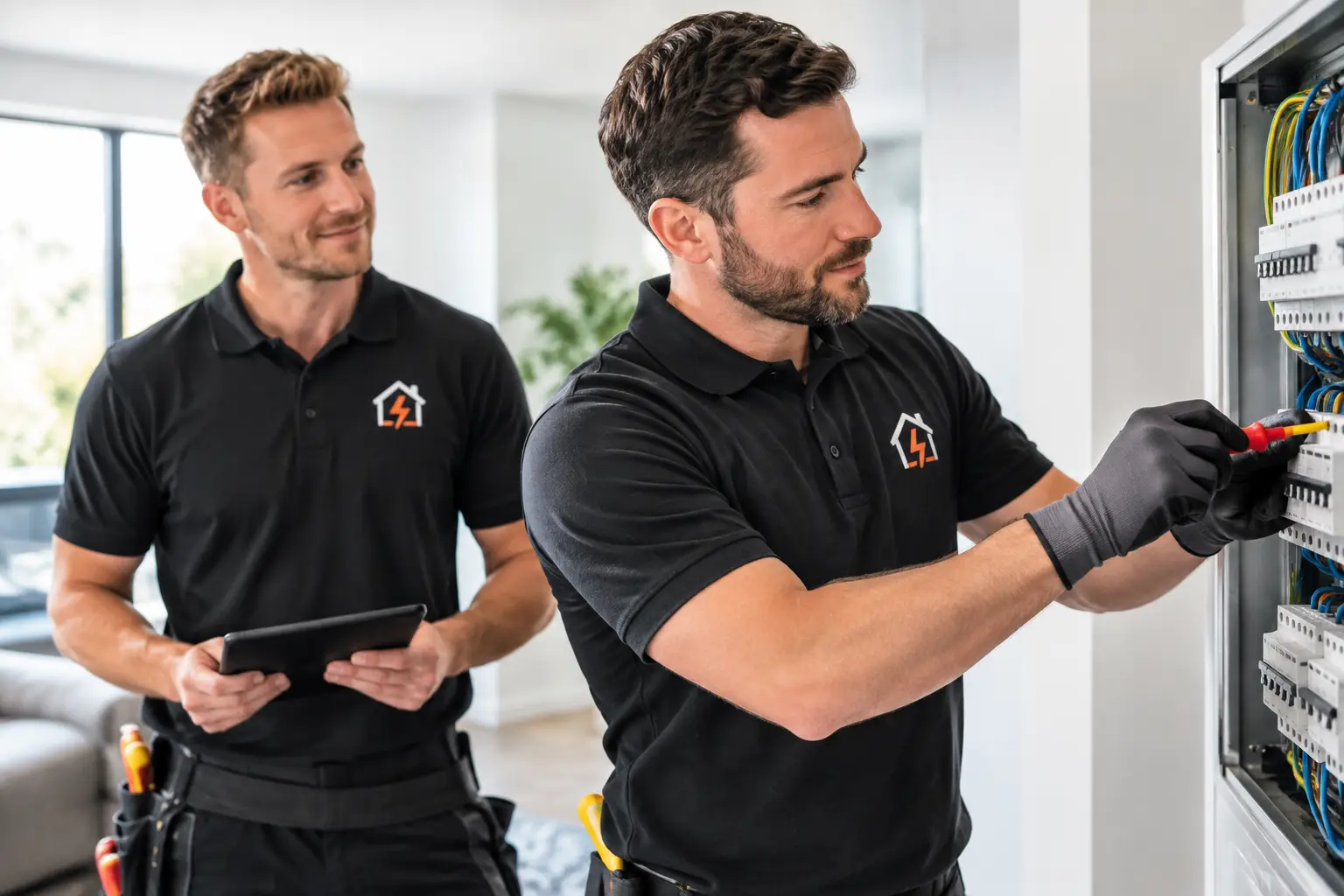
A new consumer unit, an EICR for a rental property or an EV charger installation can all look straightforward from the outside. The NICEIC registration benefits behind the work are less visible, but they matter when you need safe installation, the right paperwork and confidence that your electrician is accountable for the standard delivered.
For homeowners, landlords and businesses in Bristol, Bath and Newport, choosing a registered electrical contractor is not simply a badge-checking exercise. It helps protect people, property transactions, tenancy obligations and the value of planned improvements such as solar and electric vehicle charging.
What NICEIC registration means in practice
NICEIC is one of the UK's recognised electrical assessment bodies. Registered contractors are assessed against relevant technical standards and their work is subject to ongoing scrutiny. Registration is intended to show that a contractor has the competence, processes, equipment and insurance arrangements needed for the type of electrical work they undertake.
This does not mean every electrician can carry out every specialist job under every NICEIC scheme. Registration categories and approved scopes matter. A contractor should be clear about whether they are approved for the work you need, whether that is domestic installation, commercial electrical work, inspection and testing, or a particular upgrade.
For a customer, the practical point is simple: you are appointing a contractor whose work is assessed, who understands current wiring requirements and who can provide the appropriate documentation after the job.
NICEIC registration benefits for homeowners
Electrical work is often hidden once a property improvement is complete. Cables sit behind plasterboard, connections are enclosed and protective devices are inside the consumer unit. A smart new kitchen or extension may look finished, but the safety of its electrical installation depends on decisions made long before the final coat of paint.
Using an NICEIC approved electrician provides greater reassurance that the work has been designed, installed and tested properly. This is particularly valuable for full or partial rewires, replacement fuse boards, bathroom electrical work, extensions and fault finding where an underlying issue may not be obvious.
Where notifiable domestic work is involved, a contractor registered with the relevant competent person scheme may be able to notify the work and arrange the required building regulations compliance certificate. This paperwork can be needed later when you sell, remortgage or answer questions from a buyer's solicitor. It is far easier to keep a certificate issued at the time of installation than to investigate missing records years afterwards.
There is also a practical benefit when discussing work. A qualified contractor should be able to explain why an existing consumer unit is unsuitable, why additional protection is required or why a circuit needs upgrading rather than simply extending it. Clear advice allows you to decide between a repair, a safe interim measure and a long-term improvement without being pushed towards unnecessary work.
EV chargers and solar-related electrical work
Electrification upgrades deserve the same care as more traditional electrical projects. An EV charger adds a substantial new load to a home's electrical system. The installer must consider the existing supply, earthing arrangements, protective devices, cable routes and load management, not just the charger fixed to the wall.
Solar-related electrical work also needs proper integration with the property's existing installation. Depending on the system, this can involve generation equipment, isolation, consumer unit alterations, batteries and coordination with the network operator. NICEIC approval is a useful sign of electrical competence, but it is still sensible to ask exactly what certification, commissioning information and notifications will be provided for your particular installation.
Reliable documentation for landlords and property managers
For landlords and letting agents, electrical compliance is a working responsibility rather than a one-off project. An Electrical Installation Condition Report, commonly known as an EICR, records the condition of an installation at the time it is inspected and identifies observations that need attention.
A properly completed EICR gives property stakeholders a clear record to retain, review and act upon. It can support tenancy requirements, insurer queries, maintenance planning and discussions with managing agents. In rented homes, the legal duties and inspection intervals that apply may depend on the property location and circumstances, so it is worth checking the rules relevant to the property rather than assuming one approach covers every address.
NICEIC registration benefits landlords because inspection and testing requires more than a visual check. The electrician needs suitable test equipment, knowledge of the regulations and the ability to interpret results accurately. A report that lists observations without useful detail, or one that is completed without meaningful testing, can create false reassurance and leave issues unresolved.
When remedial work is required following an EICR, using the same accountable contractor can make the process more straightforward. The electrician can explain the coded observations, quote for the necessary repairs and issue confirmation once the identified issues have been addressed. That helps landlords and property managers maintain a usable compliance trail across multiple properties.
Why commercial clients need more than a certificate
Commercial premises place different demands on electrical systems. Offices, shops, communal areas, workshops and managed buildings may have heavier use, more complex distribution and a greater need to minimise disruption. Safety is essential, but so is planning work around staff, customers and day-to-day operations.
A NICEIC approved contractor can provide reassurance that inspection, installation and testing are carried out within an assessed framework. For business owners and facilities managers, the value lies in receiving clear reports, defined remedial recommendations and certification that can be retained for compliance records.
That said, accreditation does not remove the need for a detailed scope. An EICR is an inspection of the installation's condition, not a guarantee that every item of portable equipment or every appliance is safe. Likewise, an electrical installation certificate relates to the work completed, rather than every pre-existing circuit elsewhere in the building. Understanding what a document covers prevents gaps in a property's safety arrangements.
For larger projects, a good contractor should also discuss isolation requirements, programme constraints, access arrangements and any need to keep essential circuits operating. The cheapest quotation may not represent the best value if it overlooks testing, certification, reinstatement or the practical impact on your business.
How ongoing assessment benefits customers
Electrical regulations change, products change and the way properties use electricity changes. The move towards heat pumps, EV charging, solar generation and battery storage means many older installations are being asked to do far more than they were designed for.
NICEIC registration involves assessment rather than a qualification gained once and then left unreviewed. That ongoing accountability encourages contractors to maintain standards, use appropriate test equipment and keep their knowledge current. It also gives customers a recognised route to raise concerns if a problem cannot be resolved directly with the contractor.
No accreditation can substitute for good communication or careful workmanship on site. You should still expect a clear quotation, agreed scope, sensible advice and completed certificates. NICEIC registration should be part of the decision, alongside experience with your type of property and the contractor's ability to explain the work in plain language.
Questions to ask before electrical work starts
Before accepting a quote, ask who will carry out and test the work, what certification you will receive and whether building regulations notification applies. For an EICR, ask whether the price includes the inspection, report and any follow-up discussion of observations. For an EV charger, solar-related work or a consumer unit upgrade, ask whether the existing installation has been assessed as suitable.
It is also wise to check that the registration belongs to the contractor you are appointing, rather than relying on a logo shown by a third party. A genuine local contractor should be comfortable discussing their approval, the scope of work and the documentation they will provide.
CRS Electrical provides NICEIC approved domestic and commercial electrical work across Bristol, Bath and Newport, including rewires, consumer unit upgrades, EICRs, EV chargers and solar electrical work. A free quote gives you the chance to discuss the property, the proposed work and the certification needed before any work is booked.
When electrical work affects the safety, saleability or day-to-day use of a property, start by asking for the paperwork as well as the price. The right contractor will treat both as part of the job.